Yesterday, Today, and Tomorrow:
Key Accomplishments in Genetics
and Regenerative Medicine
Orig3n exists at the intersection of biology and emerging technology — which makes
evolution an integral part of our story. We’re where we are today because of a rich history
of discovery. And with your help, we’re working toward a new revolution in health.
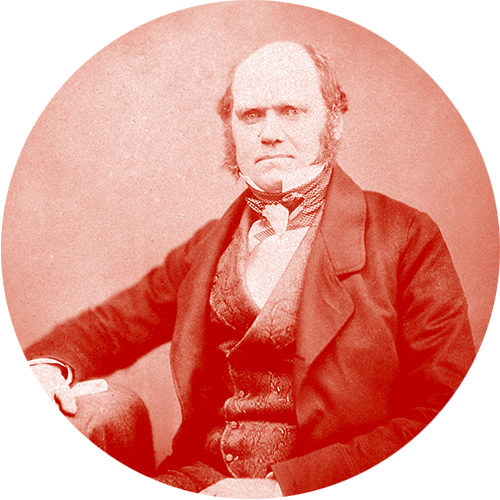
Origin Of
Species
On the Origin of Species is published by Charles Darwin.
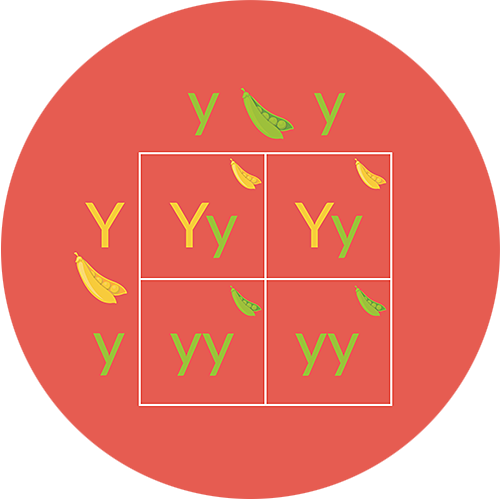
Mendel and Inheritance
The fundamental laws of inheritance are discovered by the Austrian scientist and monk Gregor Mendel — now known as The Father of Genetics. The discovery is the result of an eight-year project, where Mendel cultivated more than 10,000 pea plants and observed how their traits changed across multiple generations of cross-breeding. Mendel’s work introduces the concept of dominant and recessive traits and lays the foundation for modern genetics.
Mendel’s discovery lays the groundwork for modern genetic research by showing us the basic nature of genetic traits (i.e., genes come in pairs), how traits are passed on to offspring (i.e., one gene from each parent), and how certain traits may not be outwardly displayed but are still passed on to the next generation (i.e., the nature of recessive and dominant traits).
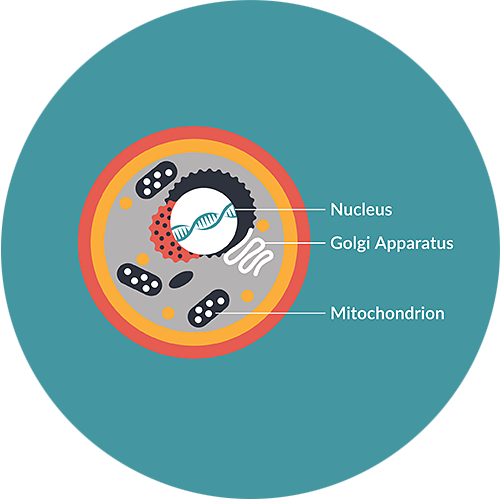
DNA Isolated
DNA is isolated by the Swiss physician Friedrich Miescher. While researching the proteins found in white blood cells, Miescher notices a substance that does not fit the expected traits of a protein. Suspecting that this substance comes from the nucleus of a cell, he calls the new material “nuclein.” Miescher believes that this molecule may be involved in inheritance, but his theory will not be validated until 1944.
By isolating and identifying DNA, Miescher enables other scientists to extract and further study its chemical properties, leading to the discovery of DNA’s role in biological inheritance.
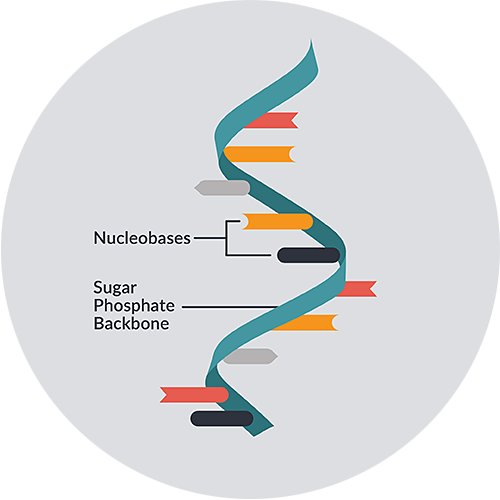
Nucleobases
Discovered
Nucleic acid and its five primary nucleobases are isolated by biochemist Albrecht Kossel.


Chromosomal
Inheritance
A chromosomal basis of inheritance is proposed by Walter Sutton and Theodor Boveri.
Genes Linked
to Disease
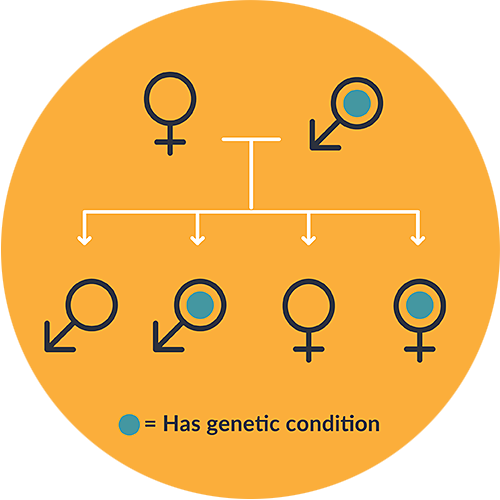
Sir Archibald Garrod is the first to attribute a human disease — alkaptonuria — to genetic causes.
Genetic Vocabulary
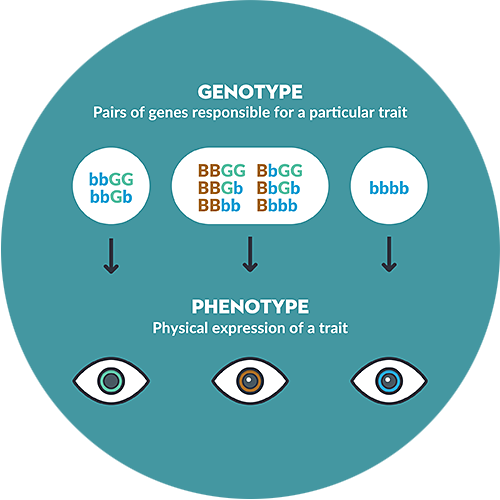
Danish botanist and geneticist Wilhelm Johannsen develops a vocabulary for genetics, including the term “gene.” In a series of papers and books on plant physiology, Johannsen uses the word “gene” to describe Mendel’s unit of heredity, as well as the terms “genotype” and “phenotype” to distinguish between the genetic traits of an individual and the physical expression of those traits.
Johannsen’s work — beyond being some of the founding texts of genetics — establishes terminology and language we use to this day to help describe and explain the nature of genes.
Fruit Flies
Mapped
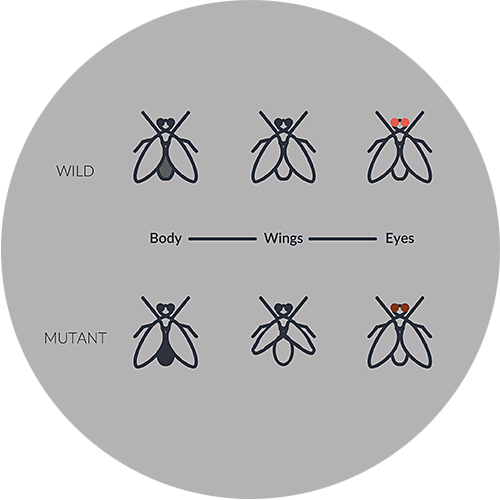
The first linear map of genes is created by the geneticist Alfred Sturtevant. His experiments with fruit flies prove that genes are linked in a linear fashion, like beads on a necklace, and that the traits that occur most frequently are connected to the genes located nearest each other. Sturtevant’s method for genetic mapping is still in use today, helping researchers find new genes by testing the linkages between known markers.
The creation of genetic maps enables researchers to determine the position of genes on a chromosome, a breakthrough paving the way for the Human Genome Project.
Nucleotides Identified
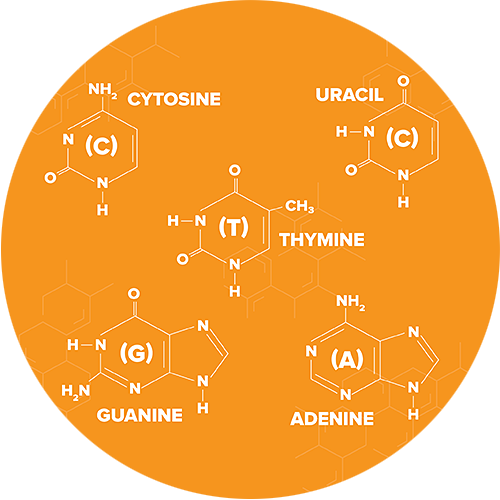
The core components of DNA — named nucleotides — are identified by biochemist Phoebus Levene.
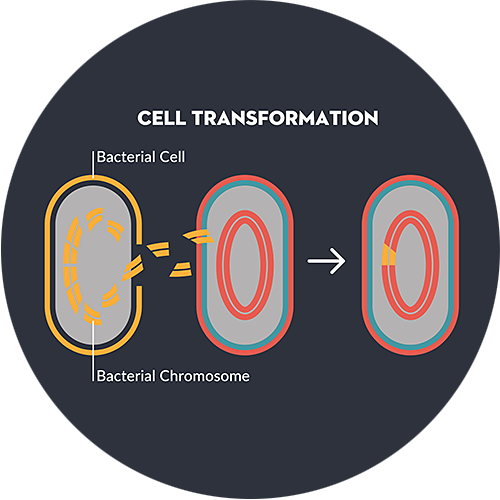
Bacterial
Transformation
Bacteria are found to be capable of transferring genetic information by bacteriologist
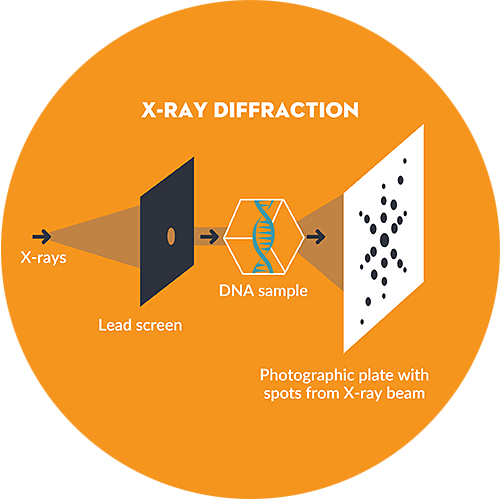
X-Ray Diffraction
of DNA
The first X-ray diffraction patterns showing the regular structure of DNA are produced by physicist and molecular biologist
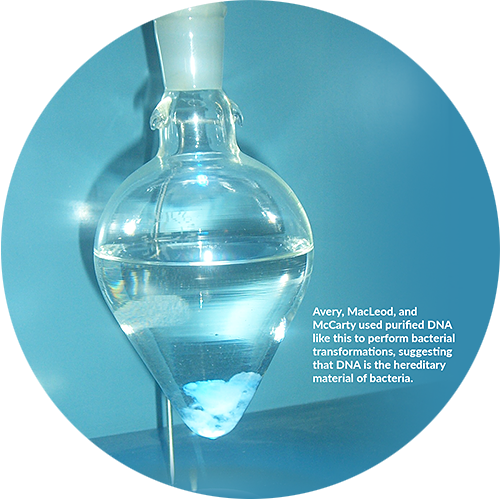
DNA As
Hereditary
Material
DNA is demonstrated to be hereditary material by Avery, MacLeod, and McCarty.
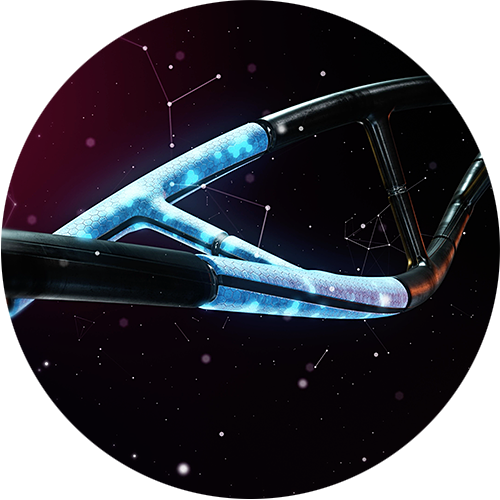

DNA Structural Rules
Two foundational rules leading to the discovery of DNA’s double-helix structure are formulated by biochemist Erwin Chargaff.
First Image of DNA
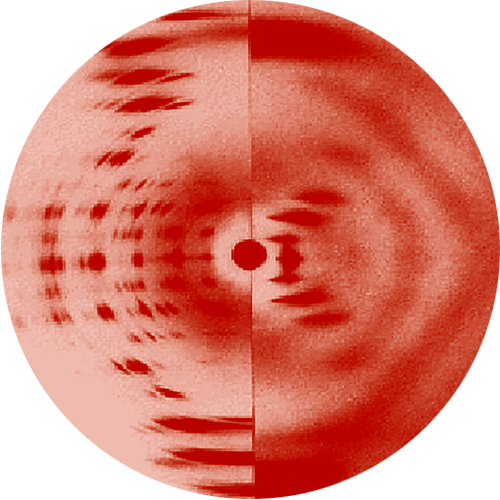
The first clear image of a DNA molecule is captured by Rosalind Franklin and Maurice Wilkins. Photo 51, as it is now known, is considered by many to be the most important photograph ever taken, as it provides key information that later leads to the discovery of the double-helix shape of the DNA molecule.
The pattern recorded by Photo 51 provides researchers with the final clue they need to definitively determine the shape and structure of DNA molecules.
Double-Helix Structure
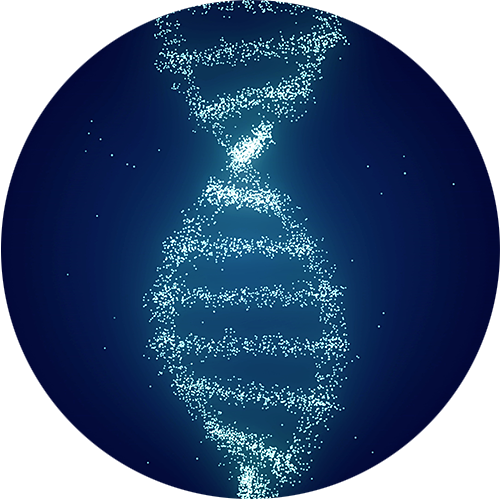
The double-helix structure of DNA is discovered by molecular biologists James Watson and Francis Crick. Relying on the discoveries that came before them — including Franklin and Wilkins' Photo 51 — the pair pieces together the double-helix, X-shaped DNA model using cardboard cutout pieces on a desktop. This configuration paves the way for a better understanding of how genes work and how traits are inherited. Watson, Crick, and Wilkins are collectively awarded the Nobel Prize for the discovery in 1962.
The discovery of DNA’s double-helix structure leads to an increased understanding of the makeup and function of life’s building blocks, ushering in a new era of biology grounded in genetics and laying the foundation for our understanding of the genetic code.
Bone Marrow
Transplant
The first successful bone marrow transplant is performed by Dr. E. Donnall Thomas in New York. The procedure allows physicians to mitigate the damaging effects of radiation therapy by using stem cells from a donor’s bone marrow to repair and regenerate the recipient’s cells. It opens the door to life-saving therapies now standard for patients with blood cell disorders.
Stem cells from bone marrow transplants now enable physicians to treat blood cell diseases like leukemia, cell anemia, and inherited immune system disorders with greater efficacy. The discovery also introduces the idea of using stem cells in other forms of regenerative medicine.
Human
Chromosomes
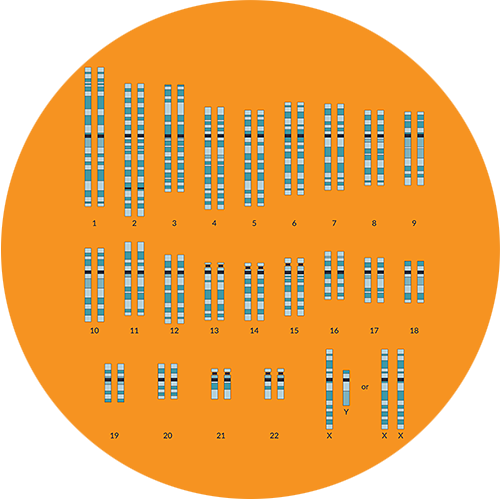
Human cells are discovered to contain 23 pairs of chromosomes, for a total of 46.
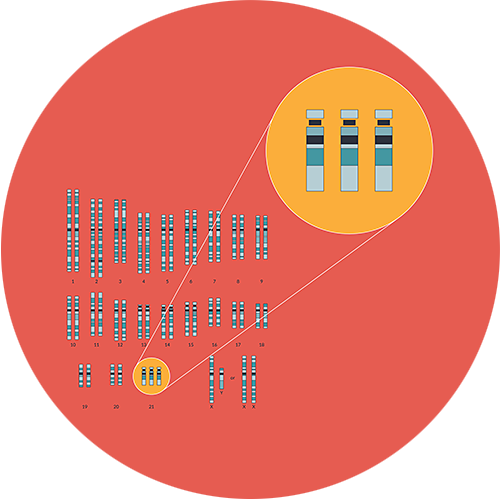
Down Syndrome Identified
The first chromosomal abnormality is discovered: Down syndrome is a trisomy — a condition in which there are 3 instances of a particular chromosome instead of the usual 2.
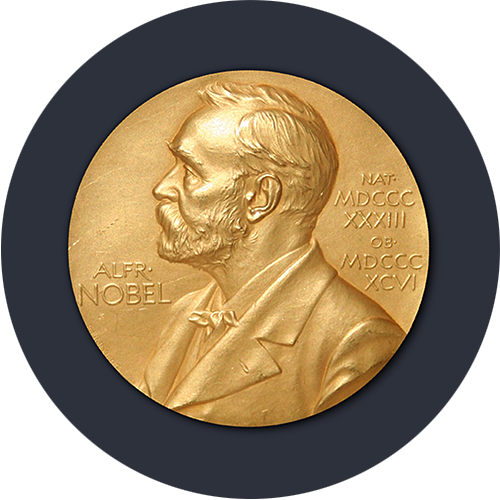
Genetic Code
Unlocked
The genetic code is unlocked by Marshall Warren Nirenberg, Har Gobind Khorana, and Robert W. Holley — winning the Nobel Prize

Human Research
Guidelines
The Belmont Report — which establishes ethical guidelines for the use of human research subjects — is first issued.
Umbilical
Stem Cells
Researchers discover the presence of stem cells in umbilical cord blood, establishing an alternative source of stem cells for transplants besides bone marrow.
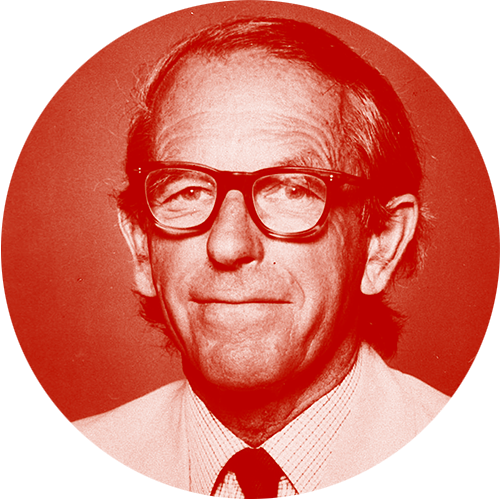
DNA
Sequencing
Method
The “Sanger Method” for sequencing DNA molecules is introduced by biochemist Frederick Sanger and his colleagues. Sanger’s technique greatly increases the rate at which scientists can rapidly and accurately sequence stretches of DNA. Although new techniques have since been introduced, the Sanger Method was the most widely used sequencing method for nearly 40 years, including its use in sequencing all 3 billion base pairs of the human genome.
The Sanger Method allows for long stretches of DNA to be rapidly sequenced, which in turns leads to the development of new biotechnology drugs and the decoding of the entire human genome.
“Programmable”
Stem Cells
The first embryonic stem cells are derived from mice and cultivated in a lab by Sir Martin John Evans and Matthew H. Kaufman. These stem cells are pluripotent, meaning they can be “reprogrammed” into any other cell type and divide without limit. Because of these attributes, researchers see the potential in using embryonic stem cells for regenerative medicine and tissue replacement. But later controversy surrounding the use of human embryos causes researchers to eventually seek out other sources of stem cells.
Cultured stem cells derived from embryos help scientists create genetically modified mice. These mice are now used as experimental models for human illness, allowing for safer, more accurate testing and treatments.
DNA
Amplification
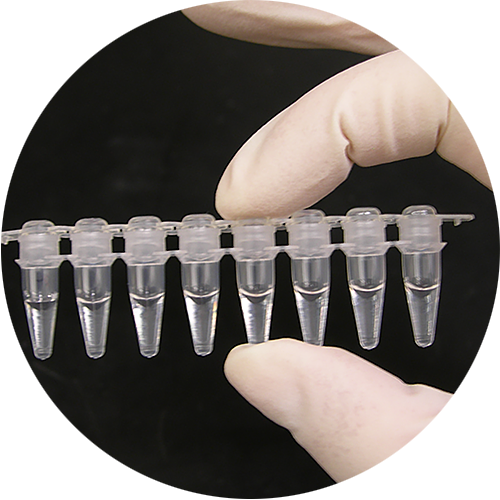
Polymerase chain reaction (PCR) is discovered by biochemist Kary Banks Mullis as a quick and easy way to generate many copies of a particular DNA sequence.
Huntington’s
Disease Mapped
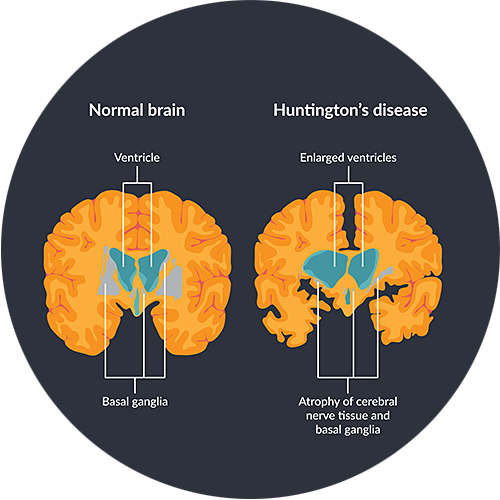
Huntington’s disease is the first human disease gene mapped to a human chromosome, allowing scientists to test for the condition.
DNA Fingerprinting
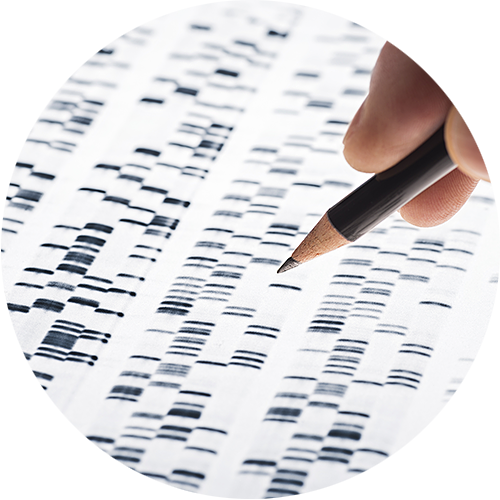
Geneticist Alec Jeffreys develops DNA fingerprinting and profiling techniques, now widely used in forensic science.
Genome Sequencing Discussed
The first public discussion on sequencing the human genome is held, laying the groundwork for the Human Genome Project.
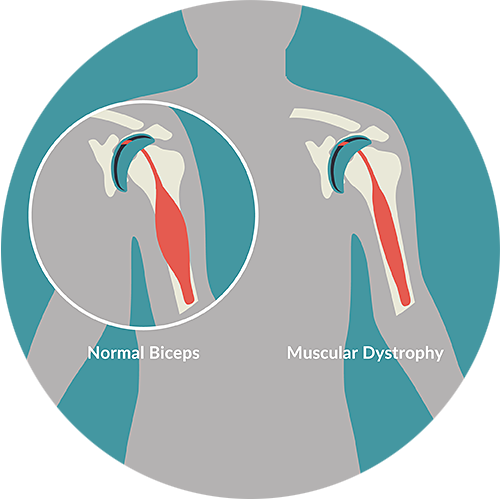
Muscular Dystrophy Gene
The gene for muscular dystrophy is identified.
DNA Testing in Courtrooms
DNA testing is introduced into U.S. courtrooms.
Cord Blood Transplant
The first successful cord blood transplant is performed in Paris, France.
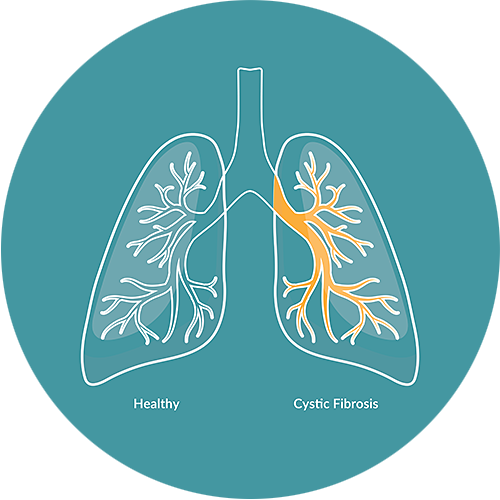
Cystic Fibrosis Gene
The gene for cystic fibrosis is identified.
Genome “Landmarks”
The mapping concept for sequence-tagged sites (STS) is established, creating helpful “landmarks” in the mapping of genomes.
DNA Exonerates
Suspect
DNA is used to exonerate a criminal suspect for the first time in the United States.
FDA-Approved
Gene Therapy
The first FDA-approved gene therapy experiment is successfully administered.
Human
Genome
Project
The Human Genome Project is started by the National Institutes of Health and the Department of Energy — along with international partners — as a public effort to sequence all 3 billion base pairs in the human genome.
Breast
Cancer
Gene
The first gene for breast cancer is mapped (BRCA1).
Dolly the Sheep
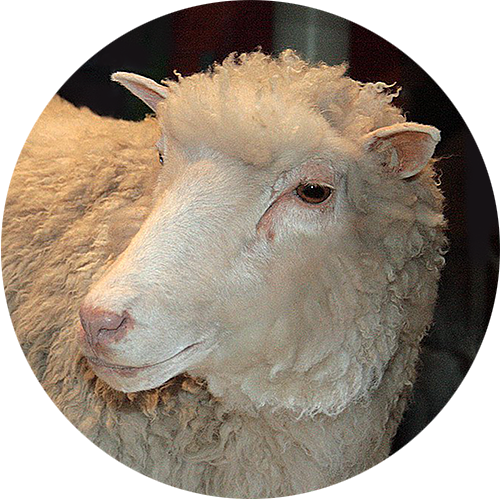
Dolly the Sheep is the first mammal to be cloned from the cells of an adult.

Bermuda
Principles
The monumental “Bermuda Principles” — a set of guidelines requiring that all DNA sequence data be freely released to the public — are drafted, setting the standard for future genomics research.
E. Coli Gene
The genome for E. coli is sequenced.
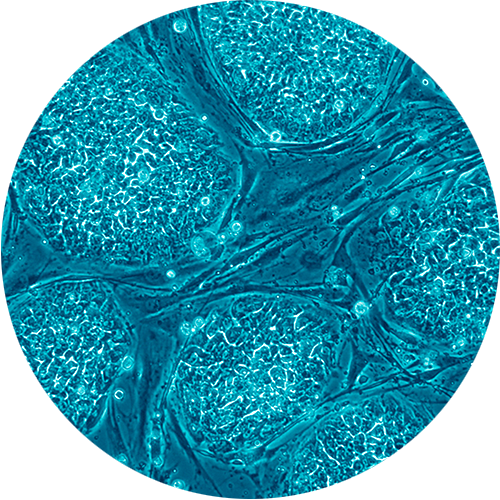
Human Stem
Cells Grown
The first human embryonic stem cells are isolated and grown in a lab by developmental biologist James Alexander Thomson. These pluripotent stem cells, which can be reprogrammed into any other type of cell, are useful for drug discovery and testing, as well as a source of tissue for regenerative medicine. But because these cells are derived from live human embryos, there has been public controversy surrounding their use, encouraging research into other sources of stem cells.
Although controversial, stem cells derived from human embryos are used to help advance pharmaceutical discovery and testing, as well as providing a new source of tissue for regenerative medicine. They’ve also fostered an interest in the creation of NON-embryonic stem cells.
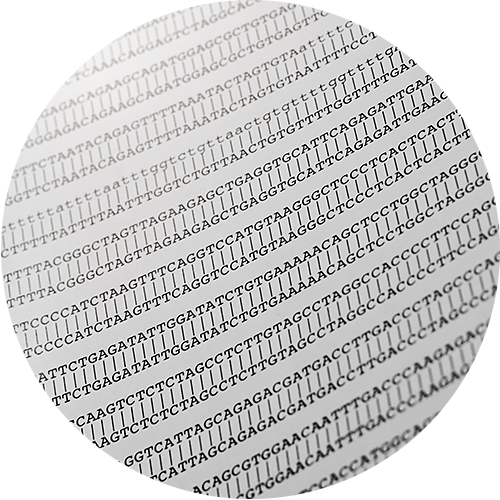
30,000 Genes Mapped
30,000 genes are incorporated into the human genome map.
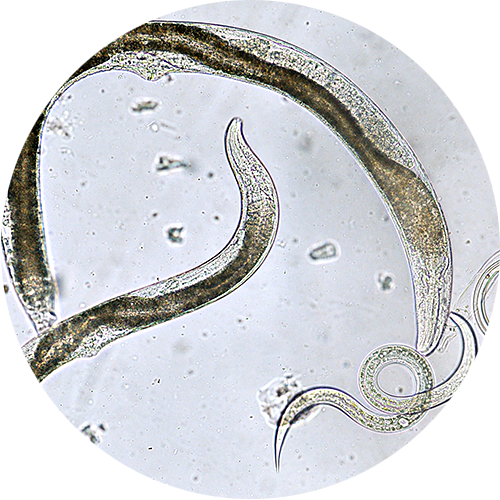
Roundworm Mapped
The genome for roundworm (C. elegans) is sequenced.
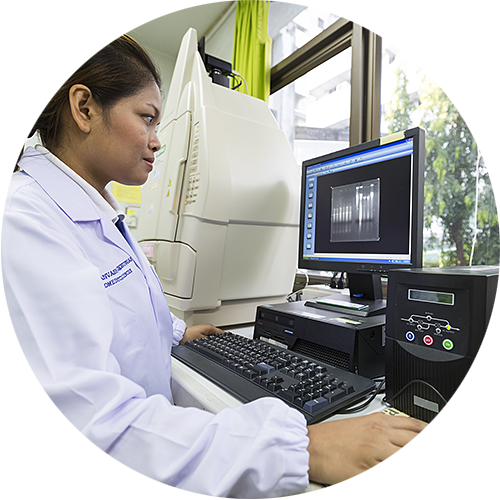
Human
Sequencing
Begins
Full-scale human sequencing begins.
First
Chromosome
Sequenced
The sequence of the first human chromosome (Chromosome 22) is completed.
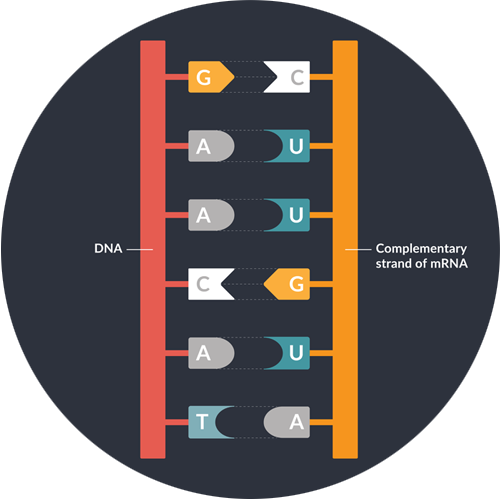
10,000 DNA
Clones Sequenced
10,000 full-length human complementary DNA clones are sequenced.
Human Genome Mapped
The Human Genome Project identifies and maps all 3 billion base pairs of the human genome. The completed map helps researchers better understand the genetic factors behind human disease, as well as paving the way for new strategies in diagnosis, treatment, and prevention. The results of the Human Genome Project are freely available on the Internet.
The Human Genome Project spurs a revolution in biotechnology innovation around the globe by providing researchers with a better understanding of the genetic factors behind human disease.

iPS Cells Created
The first induced pluripotent stem cells (iPS cells) are created by stem cell researcher Shinya Yamanaka. Yamanaka derives the cells from adult fibroblast cells, bypassing the need for human embryos. iPS cells are now being used both to better understand the patient-specific causes of disease and in the development of more personalized treatments. For his pioneering work, Yamanaka was awarded the Nobel Prize in 2012.
iPS cells bypass the need for embryonic stem cells and are helping advance the field of patient-specific medicine.
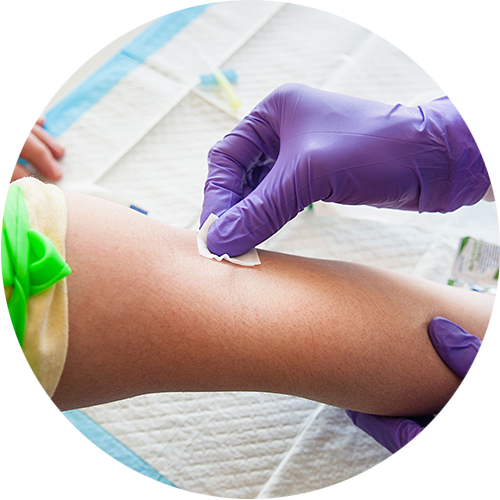
Human iPS Cells
from Donors
Medical professor George Q. Daley creates human iPS cells from live adult samples in a study at Boston’s Children’s Hospital. The study is the first iPS project to use live samples taken from donors, rather than generating cells from frozen samples, allowing for a potentially endless supply of iPS cells. The resulting cells are also genetically matched to their donor, and therefore offer a major advantage in both transplantation and regenerative medicine.
By using walk-in donors, researchers now have access to a virtually endless supply of iPS cells for use in regenerative medicine.
Disease-
Specific iPS
Cells
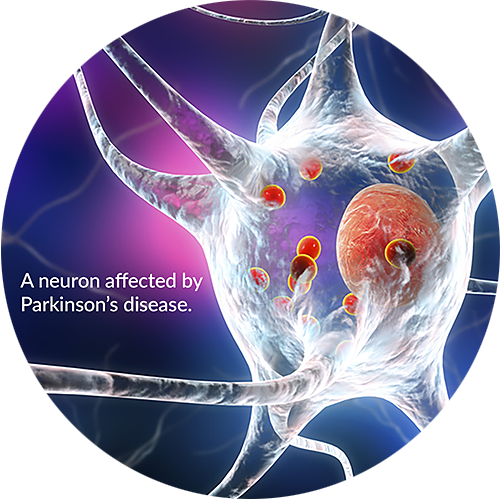
Disease-specific iPS cells are developed for a variety of genetic conditions — including Parkinson’s disease, Huntington’s disease, and Down syndrome — allowing scientists to observe the development of these diseases in petri dishes.
Disease-specific iPS cells provide insight into a variety of human genetic diseases, opening the door to future treatments that may slow or even stop the progression of the illness.
Orig3n Founded
Orig3n is founded in Boston by Robin Smith and Kate Blanchard, two serial entrepreneurs looking to radically revolutionize the future of health. Since then, we’ve made it our mission to advance the development of regenerative medicine, introducing technologies that will go far beyond what’s possible today to improve healthcare for people around the world. We’re dreaming big: Fewer surgeries. More personalized treatments. Regenerative cures that will reprogram your cells to repair tissue, regrow organs, and make you healthier from the inside out.
Since its founding, Orig3n has developed a full line of DNA tests to give people new insight into their own health. We have also created the world’s largest cell bank, with samples from thousands of donors, which we are now actively using in our research with iPS cells, accelerating the development of regenerative medicine and personalized patient treatments.
Orig3n Creates Largest Cell Bank
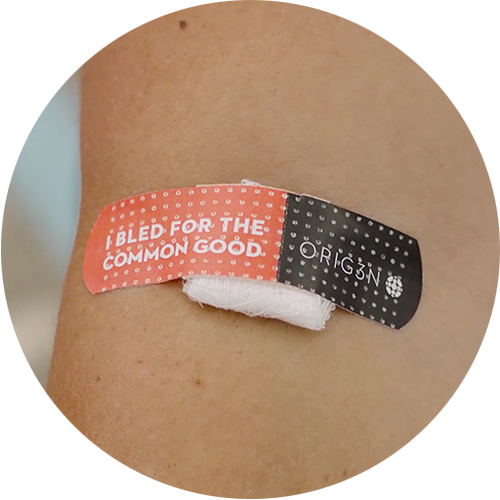
Orig3n works with people across the United States to build the world’s largest cell bank. Traveling to more than 200 events, from marathons to Comic-Cons, our dedicated team of phlebotomists and on-site staff collects blood samples from people of all backgrounds. With just a teaspoon of blood from each donor, we’re able to generate and store a massive, genetically diverse library of iPS cells that we’re using to accelerate the development of regenerative medicine.
Our cell bank enables researchers to accurately model diseases and treatments outside of the body. To take full advantage of the possibilities regenerative medicine holds, we need access to a diverse set of patient samples, to ensure our research and treatments will apply to everyone. Because our library of samples is so large and diverse, our cell bank is more representative of the entire population.

Orig3n Launches DNA Tests
Orig3n launches its first DNA test products, providing new insight into both fitness and
Orig3n Partners with 49ers
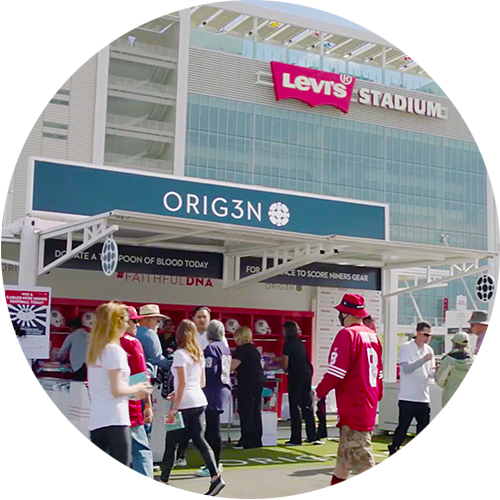
Orig3n partners with the San Francisco 49ers. This unique partnership allows us to enhance the 49ers gameday experience while encouraging fans to actively contribute to the future of health. At our pod along the 49ers Faithful Mile, fans can donate a teaspoon of blood to help with our research, learn more about their #FaithfulDNA with our full line of DNA tests, and enter to win 49ers team gear and memorabilia.
The San Francisco 49ers and Orig3n partnership is the first of its kind. Both Orig3n and the 49ers believe in the power of social good — working together, we’re now able to share the potential of regenerative medicine with a whole new community, helping more people than ever take an active role in their health. Also, we now have the unique opportunity to collect 70,000 new samples for our research, every single game, ensuring the regenerative treatments we’re working to develop will apply across the population.
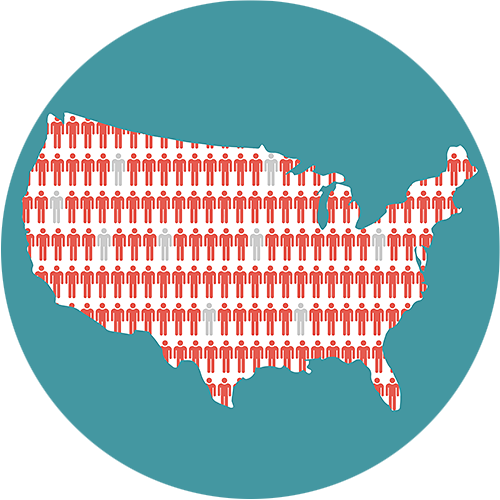
Orig3n Matches 90% of U.S.A.
Orig3n’s cell bank is able to match 90% of the U.S. population with donors for organ transplants. Our bodies use a series of protein markers to determine which cells belong inside of us (and which don’t). Historically, identifying acceptable matches for organ transplants was like finding a needle in a haystack, because of how much these markers vary between people. Now, though, Orig3n’s cell bank has enough diverse samples to find matches on a wide scale, allowing for more successful transplants and better outcomes.
Matching 90% of the population for transplants is a major milestone in regenerative medicine research. Using our cell bank, researchers will be able to find donor-recipient matches on a large scale, increasing the chances of successful transplants for patients in need. These cells will also allow researchers to test treatments and cures on a much larger percentage of the population than drug trials typically allow for, leading to more effective drugs with fewer side effects. Additionally, using iPS technology, these matched cells can be transformed into any type of cell — heart cells, liver cells, neurons, etc. — which have the potential for use in a variety of regenerative treatment applications.
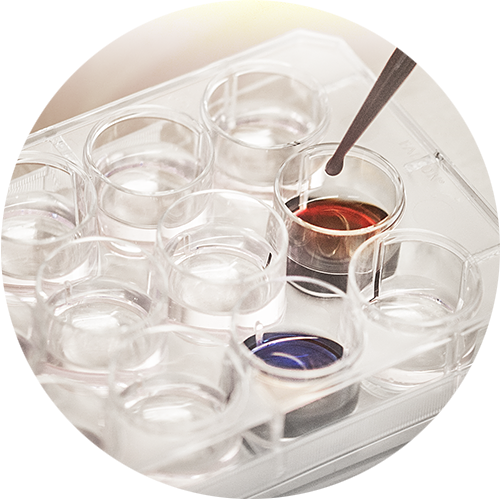
Orig3n Begins Cell Therapy Studies
Orig3n is performing cell therapy studies related to specific diseases. Leveraging the world’s largest repository of cells, we are developing a series of research programs to develop better treatments for a variety of conditions. Using iPS cells, we’re able to model people’s physiological responses to drugs outside of their body, so that we can test various treatments without making people take the drugs themselves. In time, this will lead to the end of trial-and-error medicine, and allow for more personalized treatments that work faster, better, and more accurately.
Today, when a person is being treated for a condition, he or she is put on a same general treatment path designed for everyone. But not everyone responds to the same treatments the same way, so this often leads to a long period of trial-and-error experimentation. By testing drugs and cures outside of the body, using the diverse array of samples at our disposal, Orig3n will help put an end to trial-and-error medicine and introduce a revolutionary form of personalized treatment that will get people the care they need better and faster.
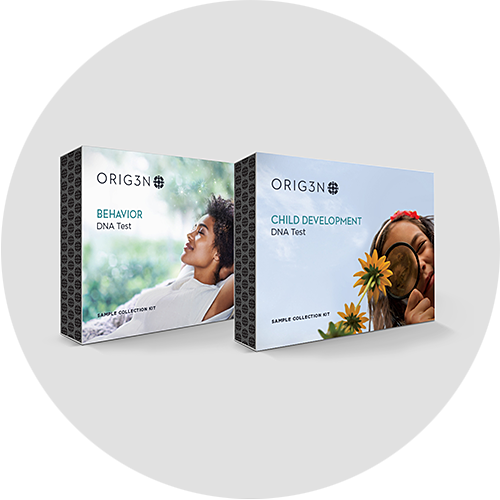
Orig3n Expands DNA Tests
Orig3n unveils new additions to its line of DNA tests at the Consumer Electronics Show in Las Vegas, including tests for behavior and
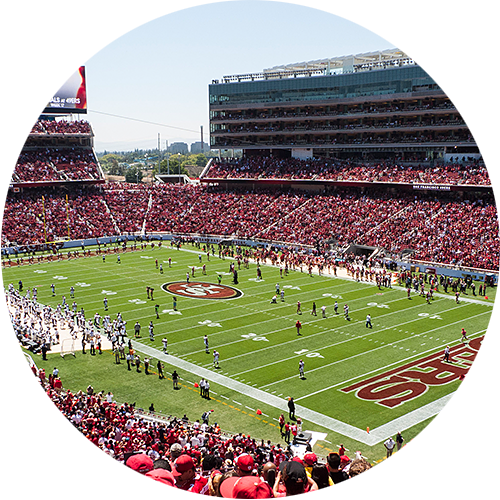
Orig3n Opens 49ers Lab
Orig3n opens a fully functional lab and interactive DNA experience at Levi’s® Stadium. The first-ever lab inside of a football stadium, the facility operates 7 days per week to help process the thousands of DNA samples Orig3n receives every day. Visitors can stop by to get a behind-the-scenes look at the lab, explore a variety of interactive exhibits, and learn more about Orig3n, DNA, and regenerative medicine.
Our lab at Levi’s Stadium will give the 49ers Faithful a firsthand look at the nature of genetic research, its importance in our daily lives, and how it’s opening the door to the revolutionary potential of regenerative medicine.
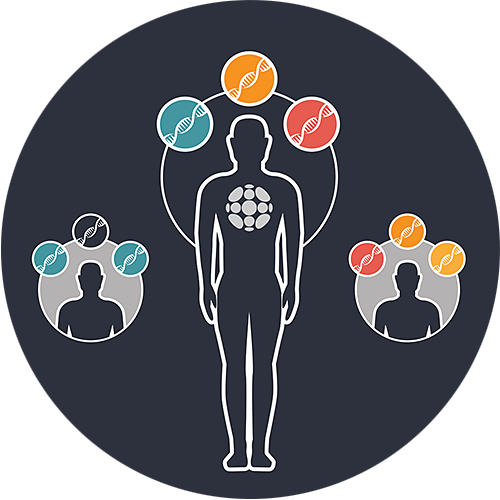
Personalized Treatent Plans
Personalized treatment plans are tailored to your unique genetic makeup, fundamentally changing how diseases are treated — as well as the positive outcomes of those treatments. Current disease treatment plans focus on the best overall course of treatment for the general population, which can result in a trial-and-error approach for individual patients, who may have different needs. By using the wide diversity of the samples within our cell bank, Orig3n has taken the first leap toward being a personalized treatment platform, which will actually account for the characteristics that make you unique. The ability to customize treatments by individual will have a profound effect on our overall health, allowing diseases to be treated faster, more accurately, and more effectively, leading to better health for one and all.
Orig3n’s cell bank is creating a platform that will bring an end to trial-and-error medicine — and usher in a new era of personalized health. An era where patients don’t have to wait years to get an organ transplant. Where even our incurable diseases now have successful solutions. A time when you and everyone around the globe can be treated more quickly, accurately, and effectively.